How To Post Double Crochet | Front and Back Pdc
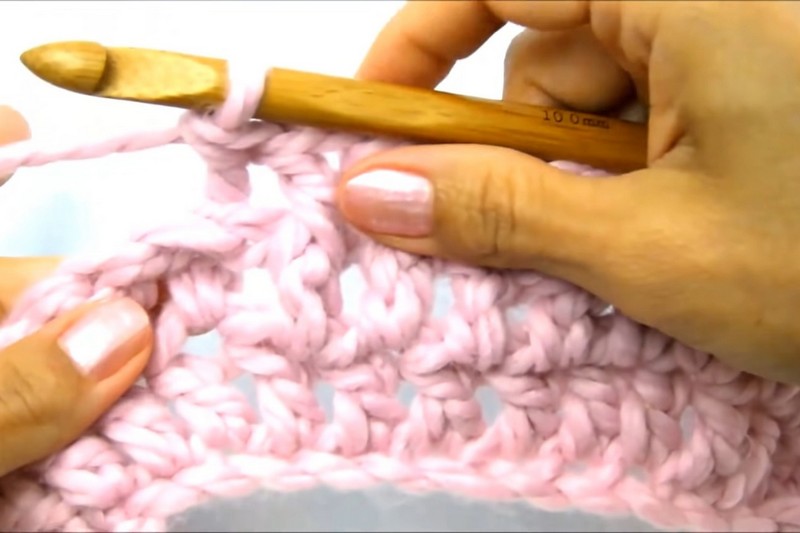
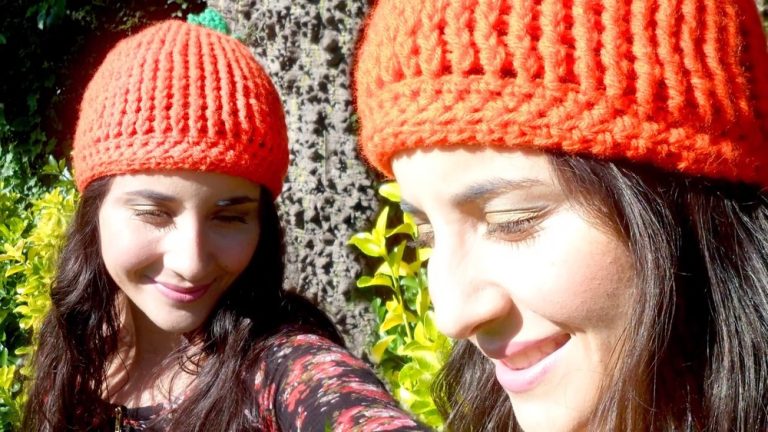
Post double crochet stitches are very helpful when you are crocheting ribbings for hats and scarves or creating textured crochet items. Luckily, they are not as difficult as you might think. So, learn how to crochet both types of double crochet post stitch with this step-by-step tutorial for beginners. I shall explain what it is, where posts are located, abbreviations, symbols, etc. If you have learnt the regular double crochet, it i a great time to learn it. So, let’s get started!
Symbols
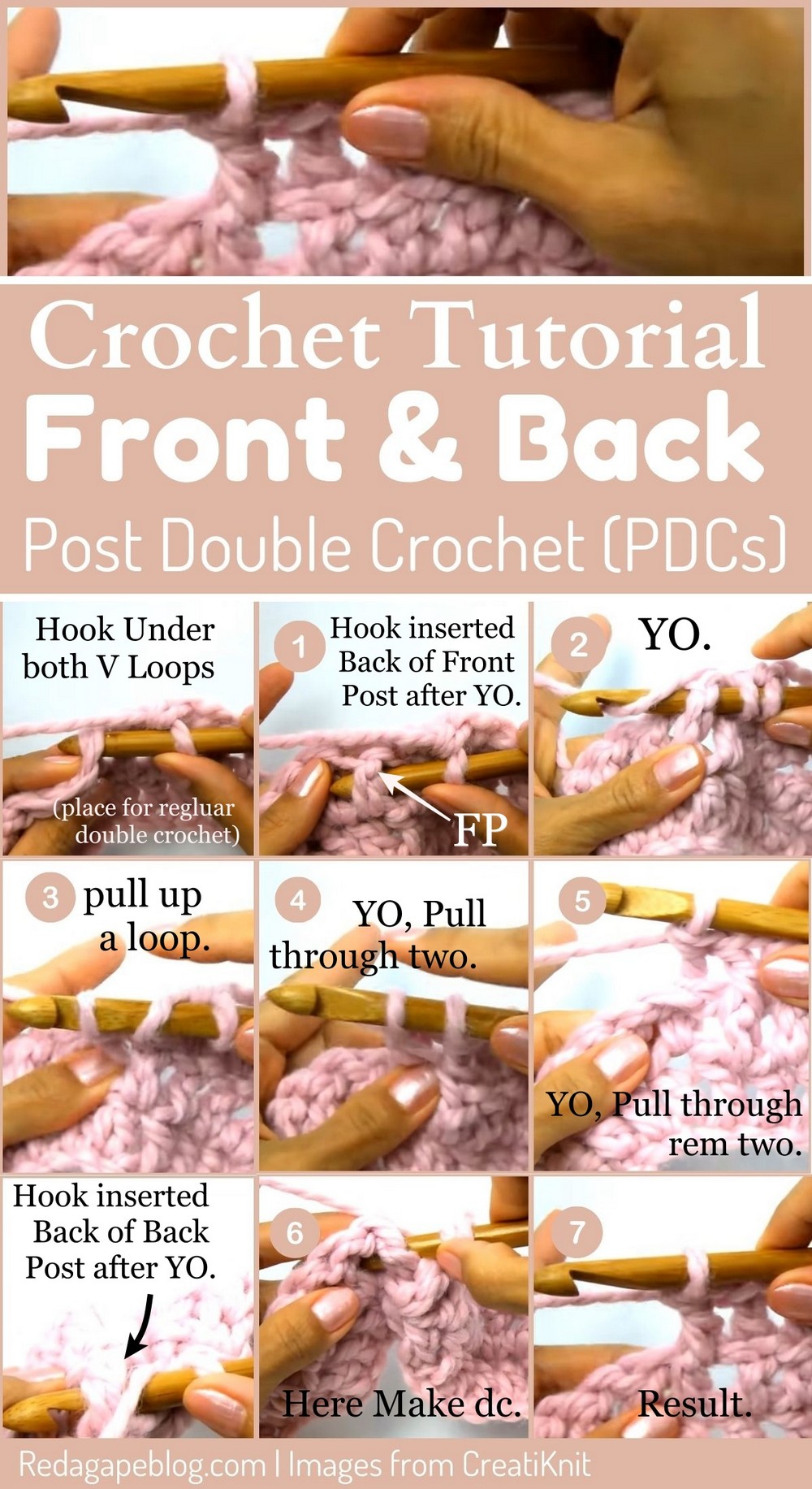
For the FPdc, the chart symbol includes a double crochet symbol with a C facing the opposite direction and attached to its base tip.
But in the case of BPdc, the C faces in the right direction as we write it.
Crochet Front Post Double Crochet (FPdc) and Back Post Double Crochet (BPdc)
Materials List
- Yarn: Worsted weight (category 4) yarn, or yarn suitable for practicing post stitches
- Hook: US Size I-9 (5.5 mm) crochet hook, or suitable size for your selected yarn
- Other Supplies (optional):
- Tapestry needle (for weaving in ends)
- Scissors
- Stitch markers (for marking edges or where to start/stop post stitches)
Key Abbreviations (US Terminology)
- ch – chain
- st(s) – stitch(es)
- yo – yarn over
- dc – double crochet
- FPdc – front post double crochet
- BPdc – back post double crochet
Special Notes
- These stitches are always worked around the post (vertical bar) of the stitch from the previous row, not into the top loops.
- Front Post Double Crochet (FPdc): The stitch is raised toward you.
- Back Post Double Crochet (BPdc): The stitch is pushed to the back of your work.
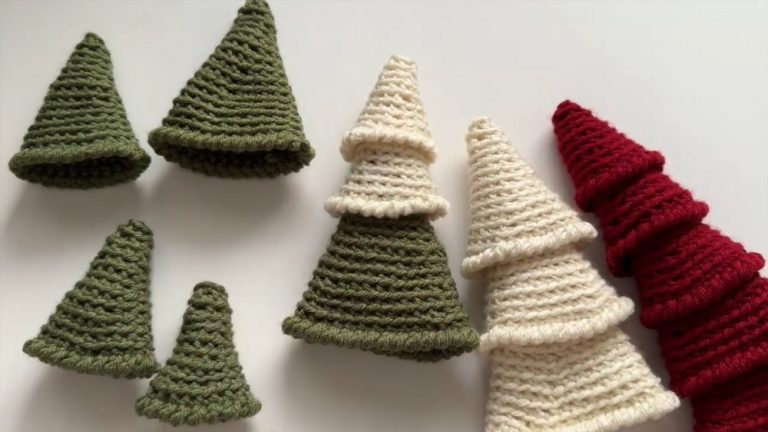
- These techniques create beautiful textures and are commonly used for ribbing, cables, and borders.
Step-by-Step Pattern: FPdc & BPdc
1. Before You Start
- Work a foundation row of double crochet (dc) stitches, as most post stitches are worked on at least the second row of a project.
2. Front Post Double Crochet (FPdc)
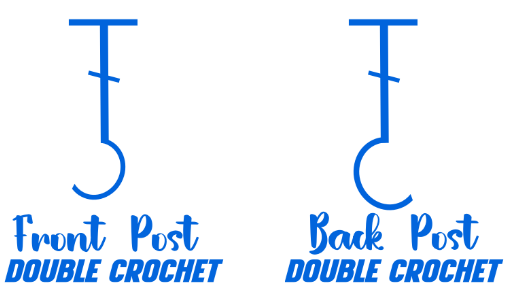
To make a Front Post Double Crochet (FPdc):
- Yo (yarn over) as with a regular dc.
- Insert hook from front to back, then to front again (right to left if you’re right-handed) around the post (vertical bar) of the next stitch.
- Your hook should go in the space before the post and come out the space after the post, with the post lying across the front of your hook.
- Yo and pull up a loop (3 loops on hook).
- Yo, pull through the first 2 loops (2 loops remain on hook).
- Yo, pull through last 2 loops (FPdc completed).
Repeat steps 1–5 for each FPdc required.
3. Back Post Double Crochet (BPdc)
To make a Back Post Double Crochet (BPdc):
- Yo (yarn over).
- Insert hook from back to front, then to back again around the post of the next stitch.
- Your hook enters the space behind the post from the back of the work, comes out in front, then goes back through to the back so the post lays across the back of your hook.
- Yo and pull up a loop (3 loops on hook).
- Yo, pull through first 2 loops (2 loops remain).
- Yo, pull through last 2 loops (BPdc completed).
Repeat steps 1–5 for each BPdc required.
4. Repeat for Desired Pattern
- Alternate FPdc and BPdc to achieve ribbing or textures as directed by your pattern.
Pattern Correction
- Ensure you are inserting the hook around the post, not just into the top loops of the stitch.
- If your texture doesn’t appear as expected, review your hook insertion direction for each post stitch.
Tips
- For best results, practice on a small swatch to identify the post of each double crochet.
- Keep an even tension; post stitches may feel tighter than standard stitches.
- Mark the edges if needed, as it is easy to miss stitches at the beginning/end of rows when learning post stitches.
Conclusion
Mastering the front post double crochet (FPdc) and back post double crochet (BPdc) opens the door to a wide array of textured patterns such as ribbing, cables, and basket weave. These versatile stitches add depth and visual interest to your projects. With practice and careful attention to hook placement, you will achieve well-defined, professional-looking textures in your crochet work.