How to Sew & Crochet Granny Squares Together making Headband

In this tutorial, learn how to crochet a stylish granny square headband while showcasing various methods for joining granny squares. Using Caron Simply Soft yarn and a 5mm crochet hook, the project features a combination of large and small granny squares joined using sewing, slip stitching, or different crochet methods. The video covers basic to lacy joining techniques, allowing viewers to choose a style that best suits their project.
By the end, viewers learn not only how to make a functional and decorative headband but also how to apply versatile granny square joining techniques for other projects. So, follow through with us for the complete tutorial.

Granny Square Headband Tutorial
This tutorial guides viewers on how to create a beautiful and functional granny square headband. The primary focus of the video is to teach different ways to join granny squares, turning the process into a fun and practical project. Below is a breakdown of the video’s key highlights:
Introduction
- The tutorial begins with the creator explaining the goal of the project: to teach multiple methods for joining granny squares while constructing a granny square headband.

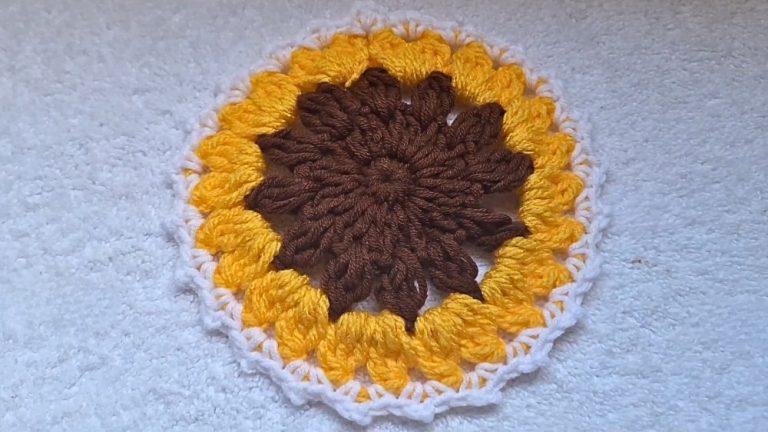
- The headband consists of one large granny square as the central piece and several smaller squares used to complete the design.
- Viewers are encouraged to use this project as an engaging way to learn and experiment with sewing and crocheting granny squares together.
Materials Used
- The creator uses Caron Simply Soft yarn, which is 100% acrylic, and a 5mm crochet hook.
- They note that the size of granny squares can vary depending on the chosen yarn and hook size.
- An important tip is to measure around your head with a measuring tape to ensure the correct number of squares for your headband.

Granny Square Basics
- The project uses a combination of one large granny square (two additional rounds after the starter round) and multiple smaller granny squares (starter round only or with one additional round).
- Viewers are referred to a separate video for instructions on how to crochet a basic granny square.
- The creator emphasizes symmetry in placing squares, aligning them properly for a balanced design.
Methods for Joining Granny Squares
The core of the tutorial focuses on teaching different techniques to join granny squares effectively. Below are the main joining methods discussed:

1. Sewing Granny Squares Together
- Viewers learn the process of sewing squares together, including several variations:
- Joining with both loops for a solid and clean join.
- Joining through front loops or back loops to achieve different visual effects.
- The creator demonstrates techniques to ensure alignment between squares and discusses the pros and cons of sewing, such as ease of adjustment but slower progress.

2. Crocheting Granny Squares Together
- The creator introduces crocheting as an alternative method of joining granny squares.
- Techniques such as slip stitching and single crochet joins are demonstrated.
- The tutorial explains how working with right sides or wrong sides together can result in different decorative effects, such as flat seams or subtle ridges.

3. Decorative and Lacy Joining
- For a more decorative approach, the creator shows techniques to create lacy joins using chain stitches.
- A double crochet joining method is also demonstrated, offering a ridged, textured appearance.
Finishing the Headband
- Once the chosen joining method is completed, the headband is assembled.
- Viewers are reminded to ensure proper alignment of squares, especially if following symmetrical placement.
- The headband is tied at the back using chains added to the final granny square, creating a stylish, adjustable accessory.
Conclusion
- The tutorial ends with the completed granny square headband, showcasing its design and functionality.
- The creator encourages viewers to practice the various joining techniques and adapt them to other projects.
- Tips are provided for experimenting with different looks and designs, emphasizing that there is no “wrong” way—just personal preference.